Sound familiar?Ennisclare Park
- The call
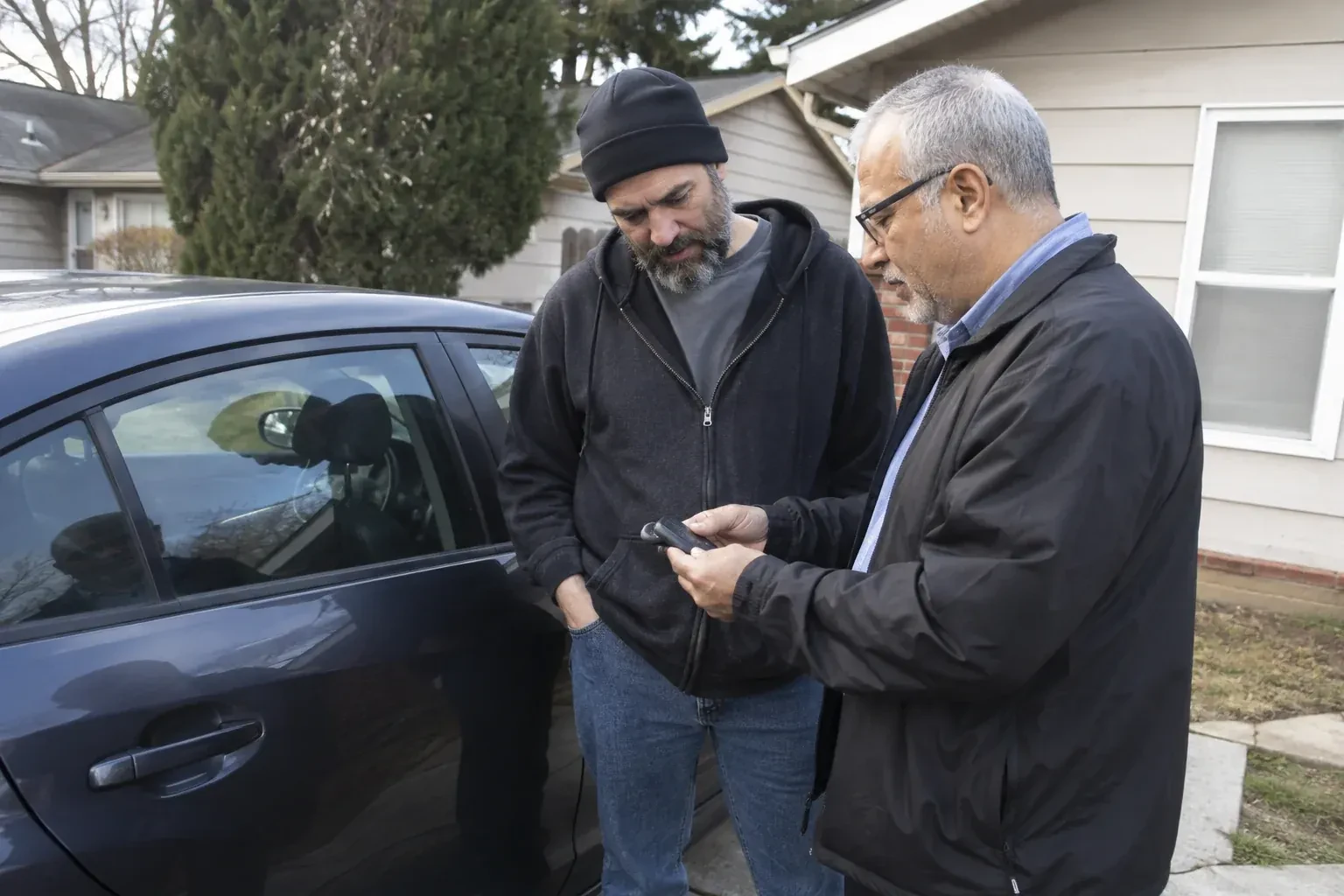
- The key turns half a rotation in the ignition, catches, then the blade lets go with a small snap. The bow is still in your hand; the rest of it is somewhere inside a lock that now has nothing to grip.
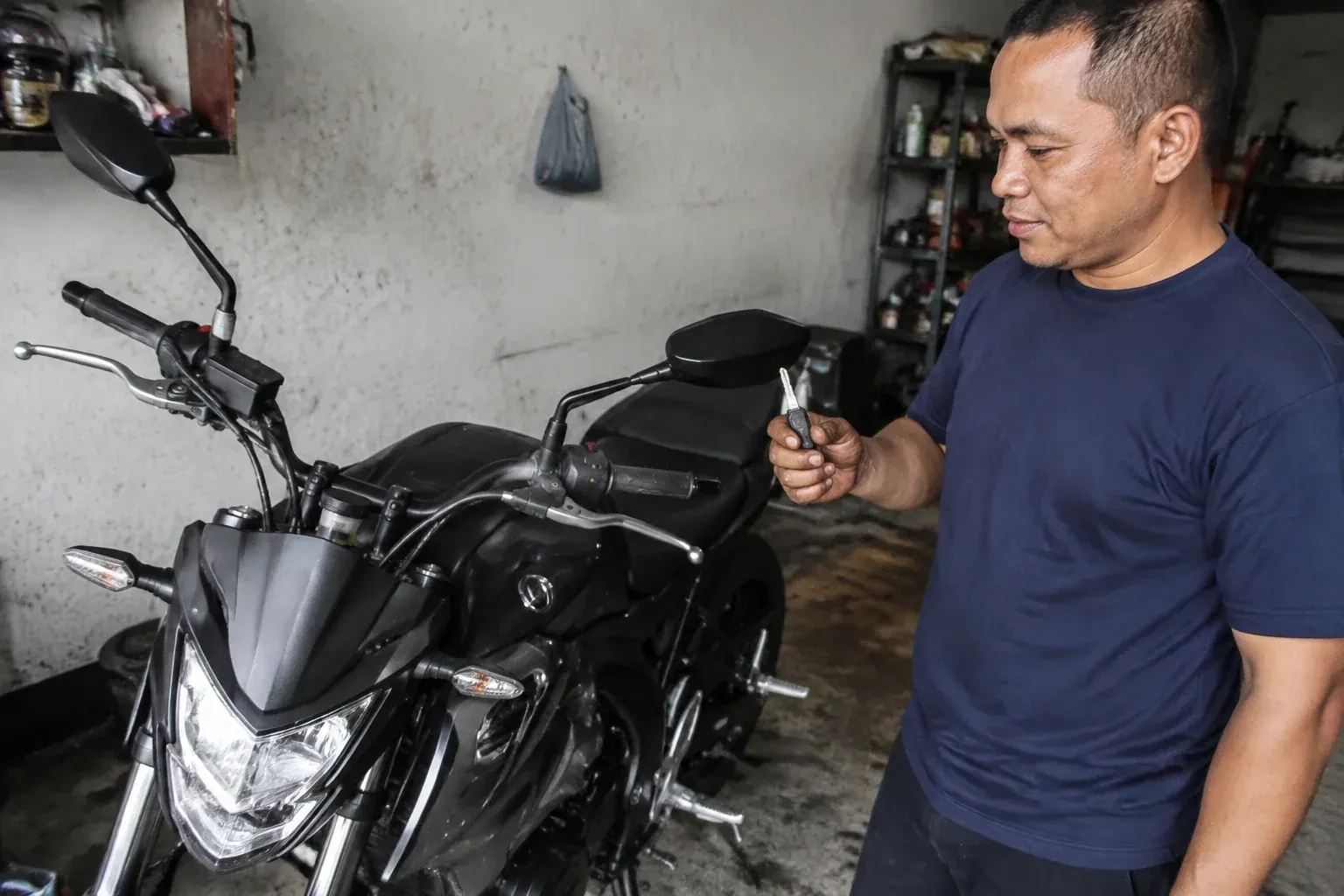
The dash lights come on, the starter cranks, and the engine simply refuses to catch, though the same key has run this bike since it was new. It could be the key and ignition module no longer agreeing, or an ordinary fuel or ignition fault sharing the same…
What is actually possible depends on whether a working key still exists somewhere. If one does, even a spare kept by a family member or a dealership record of the code, a fresh key can usually be cut or duplicated directly from it. If every key for the machine is gone, the locksmith reads the lock itself, translating wafer depths into a cut, or, on a machine with an immobiliser, pairs a new transponder where that system allows it, since some instead need the whole unit replaced. Either route aims for a key that starts the engine and operates the other locks the owner wants included.
Sound familiar?Ennisclare Park
Motorcycle & Scooter Keys · Ennisclare Park
Scene 1
Where the steering lock is a separate mechanism from the ignition switch, or has simply sat unused through a season of storage, the locksmith tests how freely it turns before relying on it to hold the front wheel. A lock that resists turning, catches partway, or needs unusual pressure is flagged early, since forcing it with a new key risks the same snapped blade that likely affected the old one. This check takes only a moment but matters, because a steering lock that will not release properly can leave the machine effectively immobile even with a working key in hand.
Scene 2
When a working key exists, even a spare or a worn original, the more direct route is to read its cuts on a code machine or trace them by hand and cut a fresh blank to match. The new key is checked against the old one under a light before it goes anywhere near the ignition, since a slight misread shows up as a key that almost turns but does not quite lift every wafer. Cutting from a known key is usually the shorter part of the visit, leaving more time for any other locks that need the same treatment.
Scene 3
A key that has begun needing a small wiggle or a lift to turn, on a lock that used to accept it cleanly, is an early sign worth acting on before it becomes a lock that will not turn at all. The same goes for a steering lock that has started to feel stiffer than it used to, or a seat latch that catches before it releases. Addressing any of these while the key still works, rather than after it stops working altogether, is usually the calmer of the two visits.
What shapes the quoteEnnisclare Park Locksmith Specialists
FeesSame any hour
Very little beyond two simple habits: wipe the key clean before use, especially after a wet ride, and, where the lock's own maker calls for it, a light dose of the specified lubricant once or twice a year. Storing a spare somewhere other than on the machine itself rounds out the care a new key or lock generally needs.
It starts the same way and adds one step. The broken piece is drawn out with tools made to grip it rather than push it deeper, and the ignition is then checked to see whether the break was a one-off or a sign the lock itself needs attention. A new key is generally cut from the two pieces or by decoding the lock, since a weakened copy could break again in the same spot.
That depends on the lock's condition rather than the key alone. If the wafers and springs inside are still sound, a correctly cut key restores normal operation without any hardware changed. A lock with worn-oval wafers, a cracked housing, or damage from an earlier forced attempt is better replaced outright, since a new key cannot compensate for parts that have physically worn or broken.
HaltonOntario
Motorcycle & Scooter Keys · Oakville, Clearview, Falgarwood
Every square is one home in a hundred.
On-site assessment
The dash lights come on, the starter cranks, and the engine simply refuses to catch, though the same key has run this bike since it was new.
(289) 815-4609, open 24/7.
On-site assessment preferred · (289) 815-4609, open 24/7